The Speakers
Keynote Speakers
Meet the keynote speakers who will help shape the conversations at Open Dialogue Iceland 2026. Drawing on lived experience, clinical practice, research and innovation, they bring diverse perspectives united by a shared commitment to dialogue, recovery and more humane approaches to mental health care.
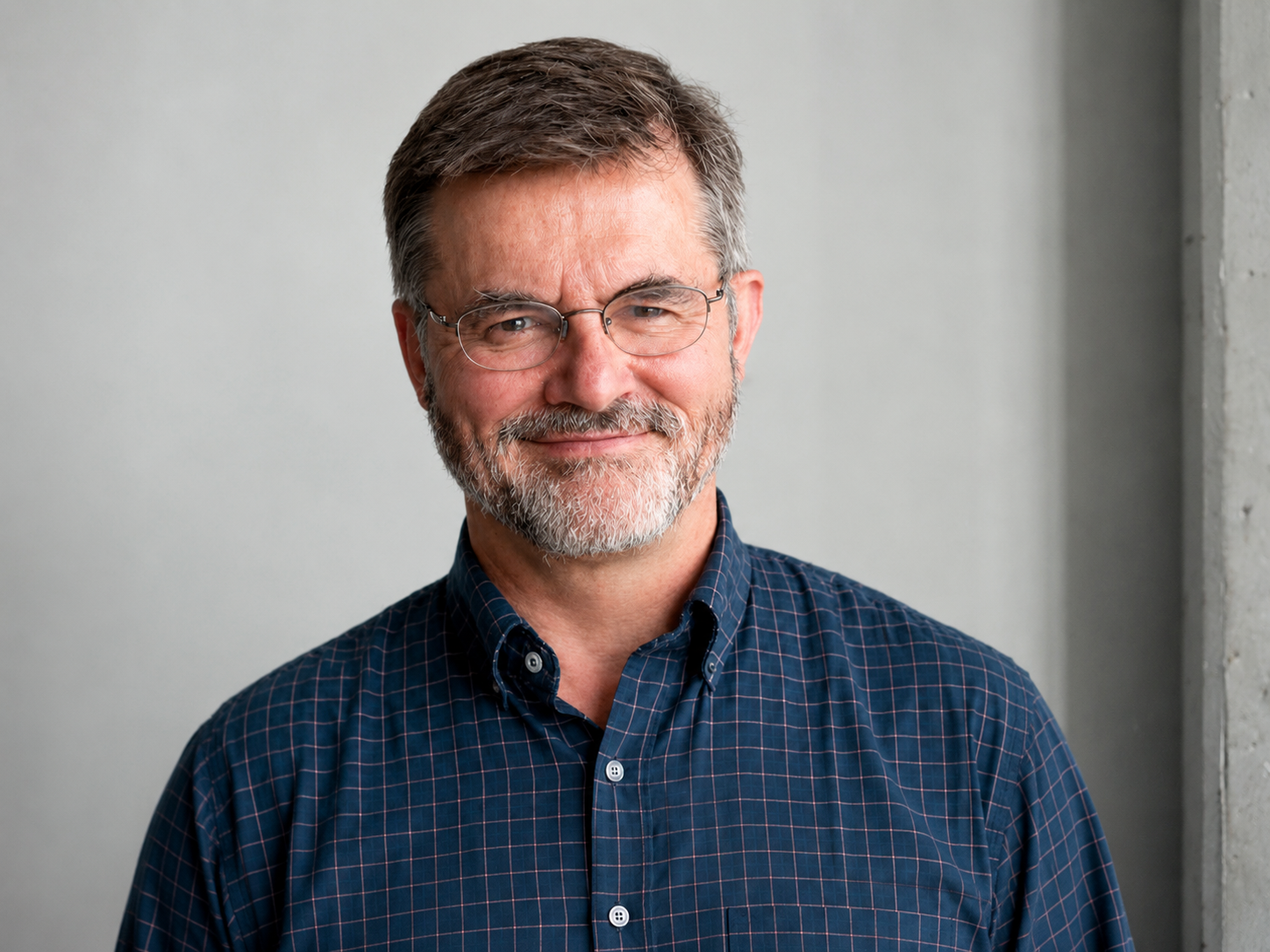
Robert Whitaker
Journalist • Author • Publisher of Mad in America
Open Day Presentation
Open Dialogue:
Has It Ushered in a Paradigm Shift in Psychiatry? Or Is It Being Adopted as an Adjunctive Therapy to Pharmacotherapy?
Friday 28 August • 15:30-16:30
About Robert
Robert Whitaker is an award-winning American journalist and author whose investigative reporting has challenged conventional thinking about psychiatric care. Through his books and the online publication Mad in America, he has become one of the world’s leading voices promoting dialogue about more humane, evidence-informed approaches to mental health care.
Read full biography
Robert Whitaker is an American journalist and author who has won numerous awards as a journalist covering medicine and science, including the George Polk Award for Medical Writing and a National Association for Science Writers’ Award for best magazine article. In 1998, he co-wrote a series on psychiatric research for the Boston Globe that was a finalist for the Pulitzer Prize for Public Service.
His first book, Mad in America, was named by Discover magazine as one of the best science books of 2002. Anatomy of an Epidemic won the 2010 Investigative Reporters and Editors Book Award for best investigative journalism.
He is the publisher of Mad in America and serves as Clinical Assistant Professor (Adjunct) in the Department of Psychiatry and Behavioral Science at the Lewis Katz School of Medicine at Temple University.
“Open Dialogue emerged as a paradigm shift. The question today is: will its power be preserved as it is adopted around the world?”
— Robert Whitaker
Further Reading:
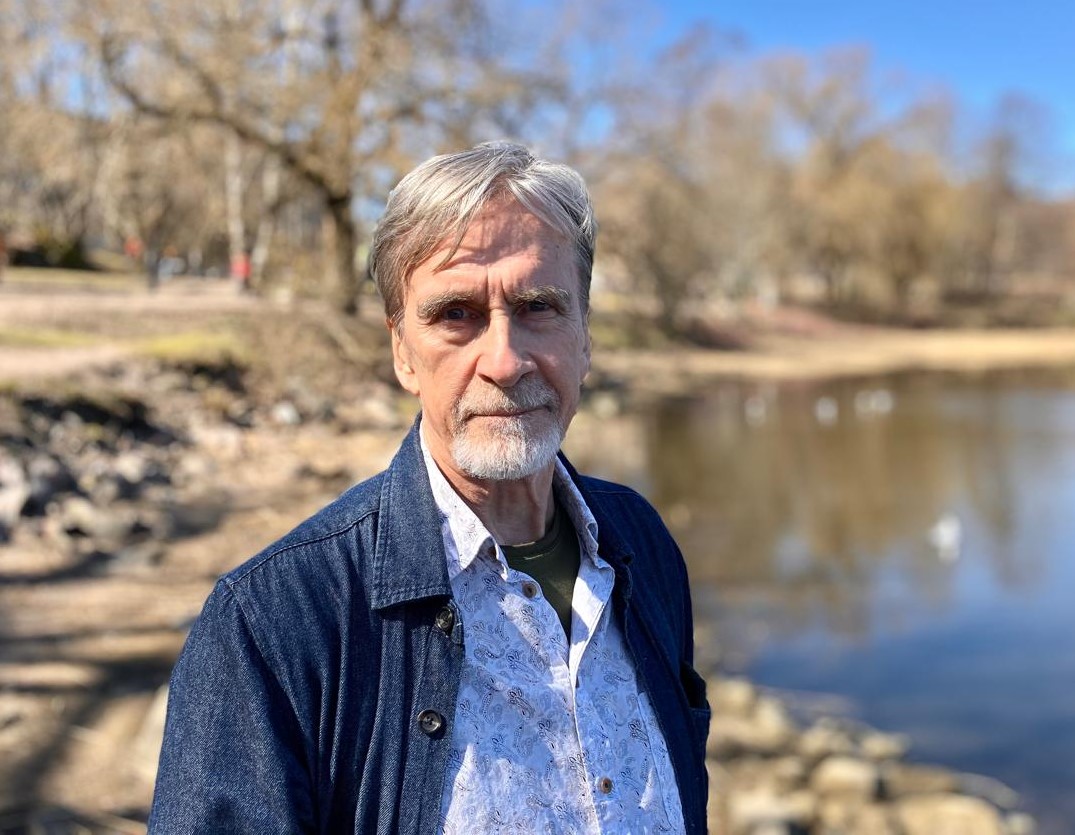
Jaakko Seikkula
Clinical Psychologist • Family Therapist • Founder of Open Dialogue
Open Day Presentation
What Travels and What Stays Home?
Experiences on Transferring Open Dialogue from Western Lapland to International Settings.
Friday 28 August • 10:55–11:55
Presented by Jaakko Seikkula, Kari Valtanen and Mia Kurtti
About Jaakko
For more than four decades, Jaakko Seikkula has been one of the leading figures in dialogical and network-oriented mental health care. As one of the developers of the Open Dialogue approach in Western Lapland, Finland, his work has transformed crisis services and inspired practitioners in more than 40 countries.
Read full biography
From the early 1980s until 1998, Jaakko worked in Western Lapland, Finland, where he helped develop the Open Dialogue approach, a method emphasizing dialogue, minimal use of antipsychotic medication, and strong involvement of patients’ social networks. This approach achieved remarkable outcomes, with 85% of patients returning to full employment and over 80% living without psychotic experiences at five-year follow-up.
In the 1980s, in the northern Finnish province of Western Lapland, the occurrence of mental health problems was extremely high. A team of psychologists and psychiatrists, including Jaakko Seikkula at the University of Jyväskylä, was looking for better ways to support people experiencing a substantial psychological crisis. From this search, the Open Dialogue approach was developed and initially used as treatment for early psychosis. Later it became a well-defined system of care offered to anyone asking for mental health support in Western Lapland.
Jaakko Seikkula’s contributions have reshaped approaches to mental health care by demonstrating the power of dialogue, social networks, and collaborative treatment. His Open Dialogue approach has influenced psychiatric practice worldwide, offering a human-centered alternative to traditional symptom-focused care.
For the past 15 years, he has developed and led training programs that have seen Open Dialogue practices adopted in 40 countries. He recently published a book titled, Why Dialogue Does Cure.
Further Reading:
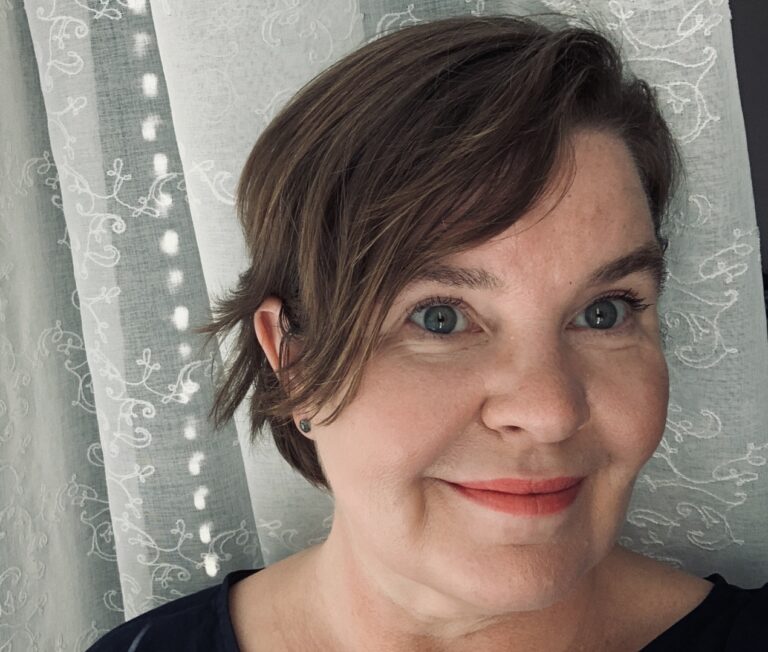
Mia Kurtti
Psychiatric Nurse • Family and Couple Therapist • Open Dialogue Trainer
Open Day Presentation
What Travels and What Stays Home?
Experiences on Transferring Open Dialogue from Western Lapland to International Settings.
Friday 28 August • 10:55–11:55
Presented by Jaakko Seikkula, Kari Valtanen and Mia Kurtti
About Mia
Mia Kurtti is a psychiatric nurse, family and couple therapist, and Open Dialogue trainer from Western Lapland, Finland. For more than two decades, she has helped develop dialogic mental health services in public healthcare while training professionals internationally in Open Dialogue and dialogical practice. Her work combines clinical practice, systems thinking and a deep commitment to person-centred, rights-based mental health care.
Read full biography
Originally from Tornio in Western Lapland, Finland, where she has lived most of her life, northern nature is Mia Kurtti’s home and inspiration. Nature, embodiment and the land offer her a grounding in a world that often relies on spoken language and shared mental concepts. She has always been interested in the fundamental questions of life, and dialogue is, for her, a way of being and exploring these questions, relationships and environments in a way that allows her to show up as a whole person to others.
Professionally, Mia is intrigued by the structural and complex dimensions of society and their impact on individuals, families, communities and the land. She has extensive experience working in public health, including a leadership role in Western Lapland’s contribution to the World Health Organization’s Guidance on Community Mental Health Services: Promoting Person-Centred and Rights-Based Approaches.
In 2022, she was named Family and Couple Therapist of the Year in Finland for her work developing dialogic mental health services and collaboration with the World Health Organization. Open Dialogue has been the central focus of her professional work since she began her career in Western Lapland Mental Health Services more than two decades ago.
In addition to her work in public health, Mia has spent more than a decade training professionals around the world in Open Dialogue and dialogical approaches. She is a psychiatric nurse (MSc) and has worked in crisis services with individuals, families and networks, as well as serving as a nurse manager in Western Lapland psychiatry.
As a trainer and supervisor in family and couple psychotherapy and Open Dialogue, she remains committed to advancing practices that foster authentic, transformative connection and deeper systemic understanding.
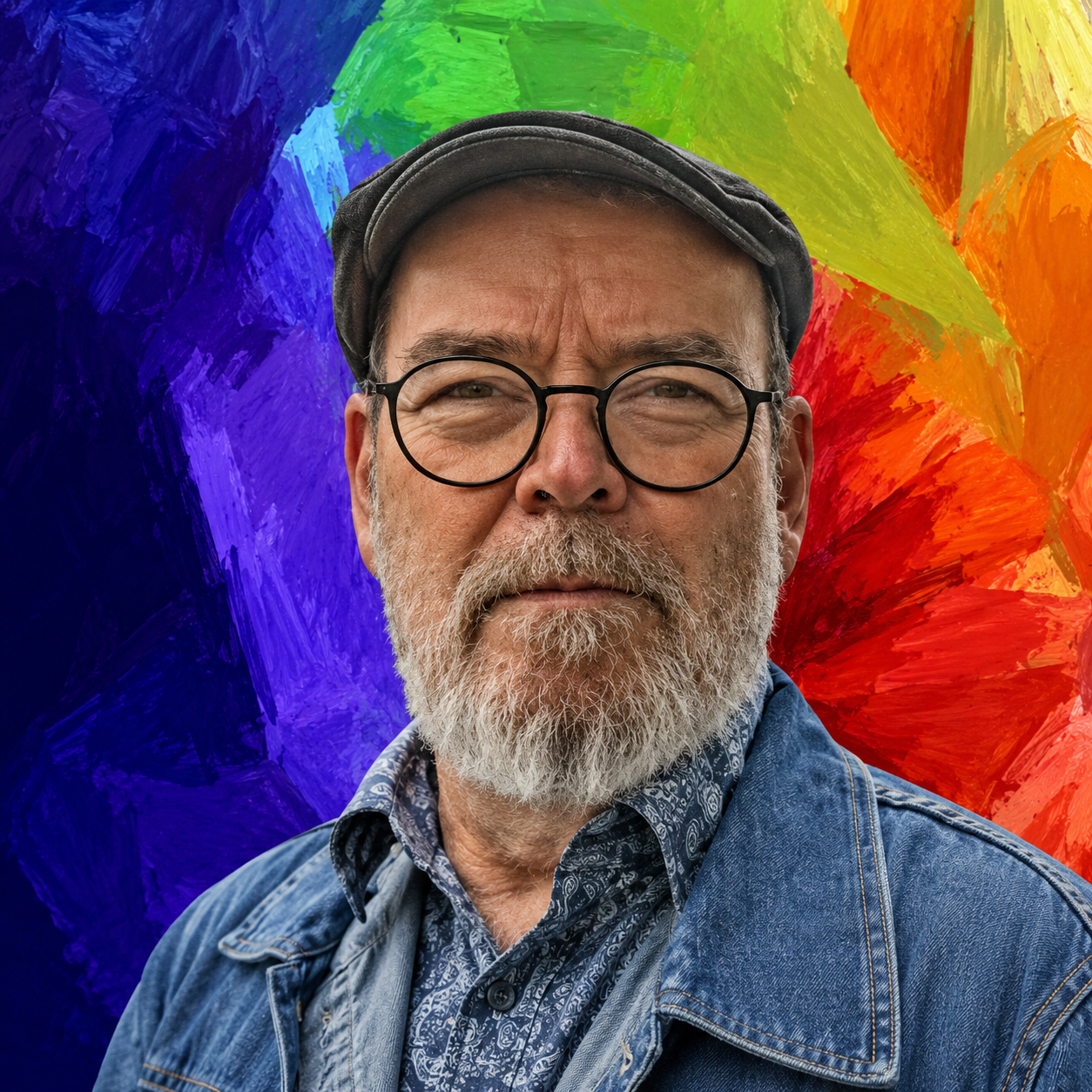
Kari Valtanen
Child and Adolescent Psychiatrist • Family Therapist • Open Dialogue Trainer
Open Day Presentation
What Travels and What Stays Home?
Experiences on Transferring Open Dialogue from Western Lapland to International Settings.
Friday 28 August • 10:55–11:55
Presented by Jaakko Seikkula, Kari Valtanen and Mia Kurtti
About Kari
Kari Valtanen is a child and adolescent psychiatrist, family therapist and Open Dialogue trainer from northern Finland. After more than 20 years working in Western Lapland, he now trains professionals internationally, sharing the principles and practice of Open Dialogue with services around the world.
Read full biography
Kari Valtanen is a child and adolescent psychiatrist, family therapist and Open Dialogue/dialogical practice trainer from northern Finland. He worked in Western Lapland for more than 20 years and now trains professionals internationally in Open Dialogue and dialogical practice.
As Valtanen has written:
“Psychiatrists should be aware of their role as part of a team and avoid setting up a hierarchical position that can silence the dialogical and polyphonic culture of the team.”
“To work dialogically and share responsibility over treatment processes, a democratic culture at the workplace is a prerequisite. The psychiatrist is in a pivotal role to establish and nurture this democratic atmosphere.”
— Mad in America
Featured Speakers
Alongside our keynote programme, our featured speakers offer a wide range of perspectives, experiences and practical approaches to dialogical and recovery-oriented practice. Together, they create opportunities for learning, reflection and connection throughout the conference.
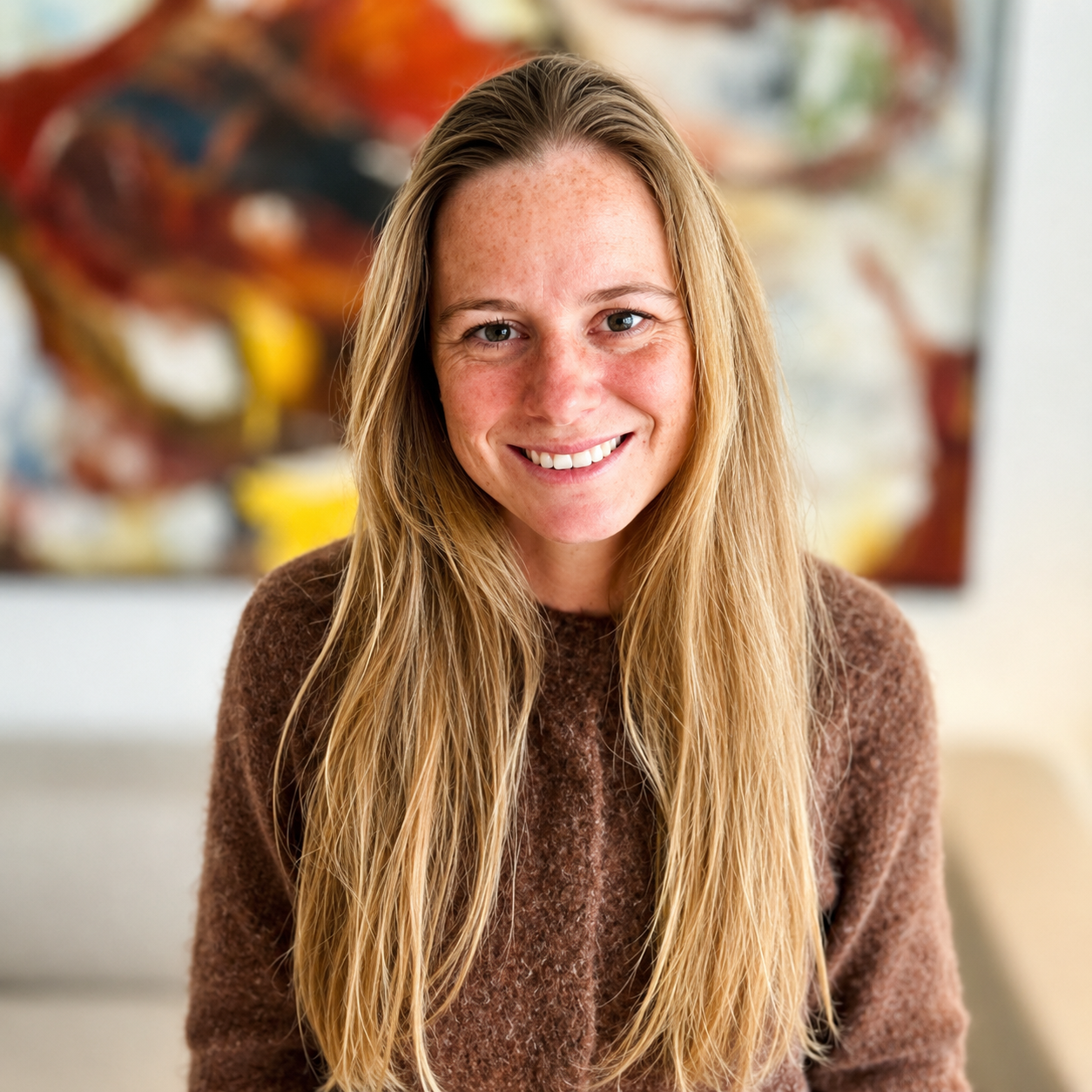
Mie Leer
Researcher • Open Dialogue Trainer • Supervisor
Open Day Presentation
Moving Together Towards More Dialogical and Network-Oriented Practices Across Contexts:
On Equality, Dialogue and Direction in Aarhus, Denmark
Friday 28 August • 13:00-13:40
About Mie
Mie Leer has been working with Open Dialogue in Aarhus, Denmark, since 2012, helping to develop, implement, teach, research and supervise dialogical and network-oriented practices across mental health services. Her work focuses on creating more equal, collaborative relationships between citizens, families, professionals and organisations.
Read full biography
Mie Leer feels genuinely privileged to work with Open Dialogue in many possible – and at times seemingly impossible – ways. Since 2012, she and her colleagues in Aarhus have been engaged in developing, teaching, implementing, researching, supervising and facilitating network meetings together with citizens, their social networks, professionals and leaders across contexts.
What continues to inspire her is a shared curiosity: How can we move together—within ourselves, in our relationships and within the organisations we are part of—towards more equal and dialogical encounters?
Mie believes that everyone has both the possibility and the right to influence the direction of their own lives, in connection with those around them, if they are able to create the time and space this requires.
“Creating such spaces is an ongoing, collective practice.”
— Mie Leer
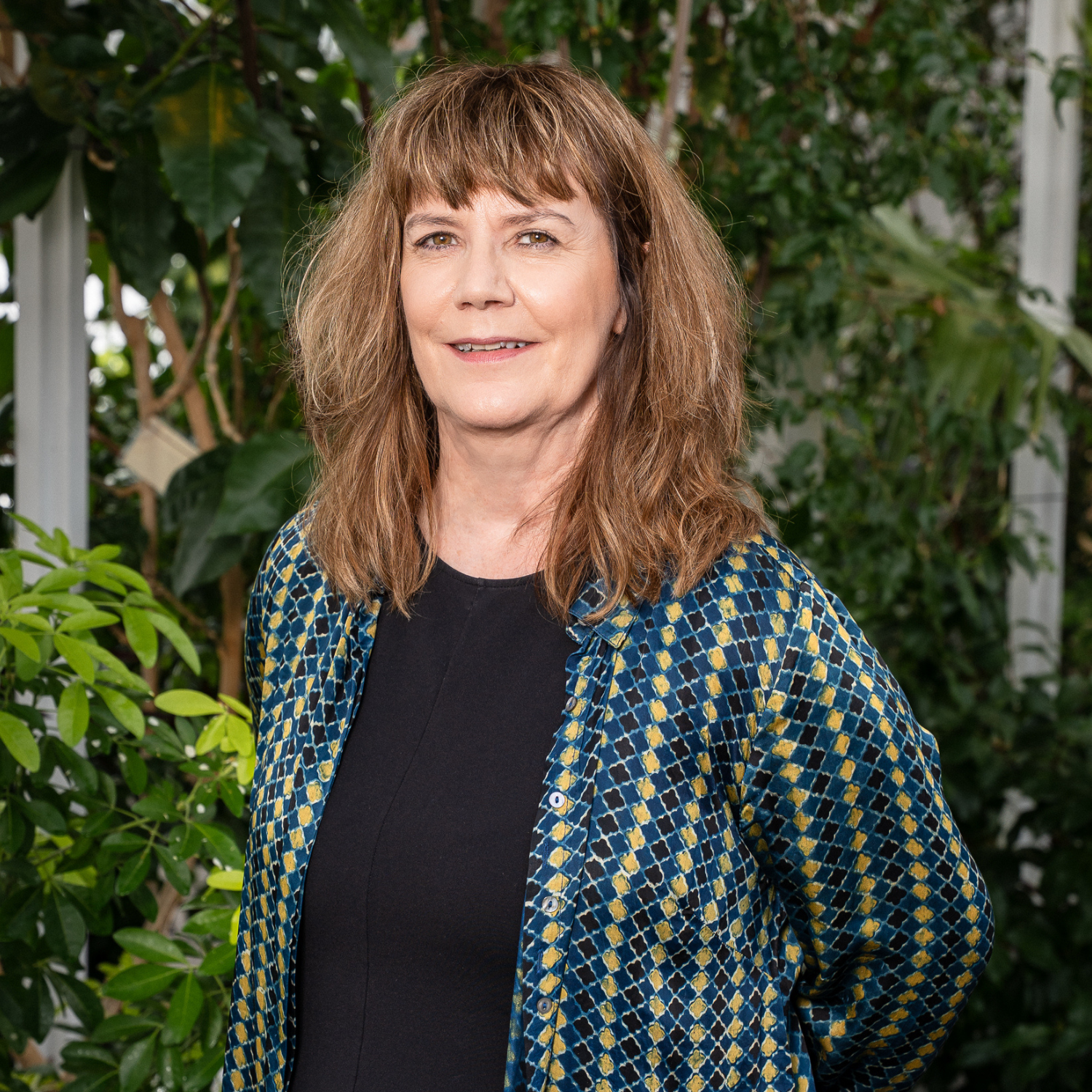
Auður Axelsdóttir
Occupational Therapist • Director of Hugarafl • Open Dialogue Trainer
Open Day Presentation
The History of Hugarafl and the Development of Open Dialogue in Iceland
Friday 28 August • 09:15-09:55
About Auður
For more than two decades, Auður Axelsdóttir has been one of the driving forces behind changing the conversation around mental health in Iceland. As the co-founder and director of Hugarafl—and Iceland’s only certified Open Dialogue trainer—she has championed recovery, empowerment and lived experience, helping to create new opportunities for people with lived experience to shape mental health services.
Read full biography
Auður Axelsdóttir is an occupational therapist from Reykjavík, Iceland, and the director of Hugarafl. In 2003, she co-founded Hugarafl together with four people with lived experience, united by a vision of changing the way mental health services are delivered in Iceland.
For more than two decades, Auður has worked to promote recovery, empowerment and meaningful participation for people experiencing mental health challenges. Hugarafl’s work is grounded in the principles of empowerment and recovery, using the PACE model developed by Daniel B. Fisher, MD, PhD, and Laurie Ahern, together with Judy Chamberlin’s working definition of empowerment.
Auður is Iceland’s only certified Open Dialogue trainer and is also a trainer in Emotional CPR (eCPR). Through her work with Hugarafl, she has played a leading role in introducing and developing Open Dialogue in Iceland while supporting professionals, organisations and communities in adopting more collaborative and person-centred approaches to mental health care.
In recognition of her contribution to mental health, Auður was honoured by the President of Iceland in 2017.
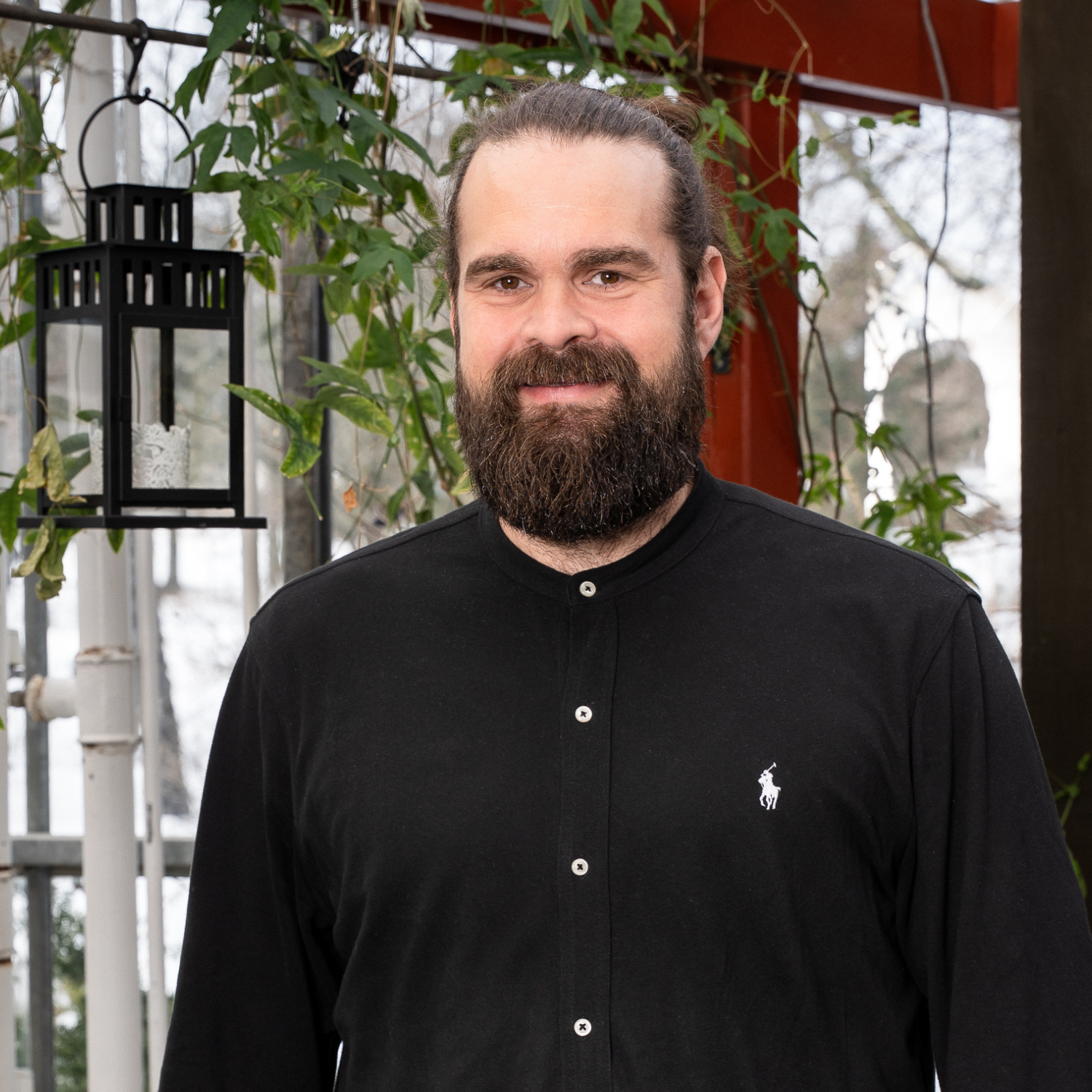
Grétar Björnsson
Sociologist • Recovery Researcher • Educator
Open Day Presentation
Rocky Road to Recovery
Friday 28 August • 09:55-10:35
About Grétar
Grétar Björnsson is a sociologist whose work explores the experiences of people using mental health services through the lens of recovery. Drawing on both academic research and lived experience, he has become a leading voice in Iceland promoting recovery-oriented approaches and challenging traditional biomedical models of mental health care.
Read full biography
Grétar Björnsson is a sociologist whose research has focused on the experiences of people using mental health services and the principles of recovery. His work has explored how recovery-oriented approaches compare with the traditional biomedical model in shaping people’s experiences of mental health care.
Grétar works as an Education and Support Representative at Hugarafl, where he also serves on the organisation’s Board of Directors and contributes to its day-to-day operations.
He has served on several public committees relating to mental health services in Iceland and regularly teaches at the University of Iceland.
In his presentation, Grétar will explore the philosophy of recovery and why it matters. He will share insights from his research comparing recovery-oriented and biomedical approaches, while also reflecting on his own journey of achieving full recovery from significant mental health challenges.
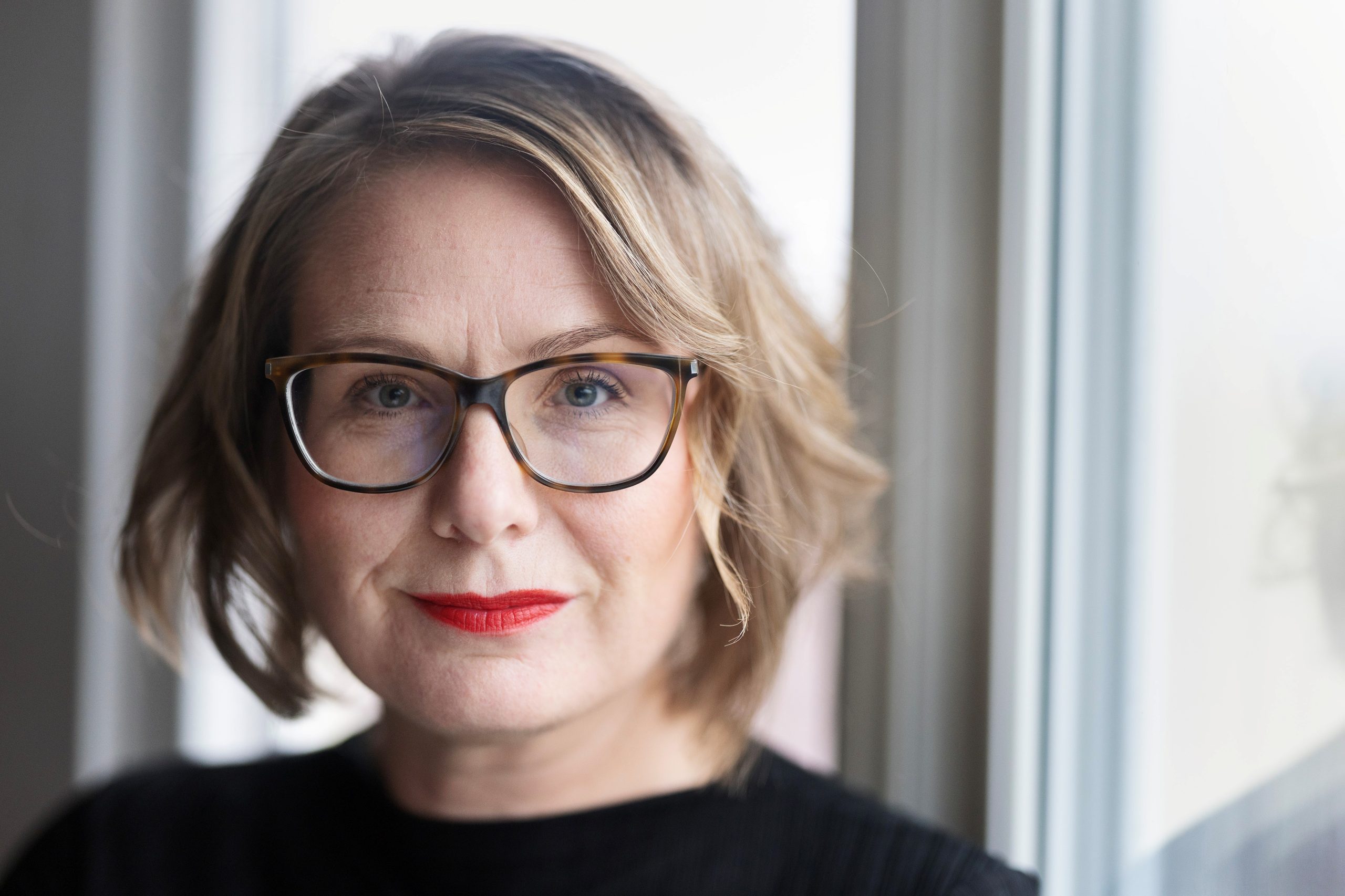
Maria Ingström
Physician • Author • Advocate
Open Day Presentation
Restrained:
A Doctor’s Journey Through Psychosis, Recovery, and the Healing Power of Human Connection
Friday 28 August • 14:20-15:20
About Maria
What happens when the doctor becomes the psychiatric patient? Maria Ingström is a Swedish physician, award-winning author and advocate whose work bridges medicine, lived experience and human rights. Through her internationally acclaimed memoir Restrained, she has become one of the Nordic region’s leading voices calling for more compassionate, dialogical and recovery-oriented mental health care.
Read full biography
While training to become a physician, Maria Ingström experienced an altered state of consciousness that the healthcare system diagnosed as psychosis. Despite prolonged periods of coercive care, restraints and severe overmedication, she eventually returned to medicine and built a successful career as a specialist in family medicine with more than 23 years of clinical experience.
Her award-winning memoir, Restrained: A Doctor’s Journey Through Psychosis, Recovery, and the Search for Compassionate Care, tells this remarkable story from both the perspective of a physician and a psychiatric patient. Through her writing and speaking, Maria advocates for more humane psychiatric care grounded in compassion, human rights and recovery.
Restrained received the 2026 Independent Press Award in Psychiatry/Psychology and has attracted international attention for its honest account of coercive psychiatric treatment and recovery. The book has helped spark conversations about psychiatric care, recovery and human rights far beyond Sweden.
Maria is a strong advocate for Open Dialogue and believes dialogical, relationship-based approaches offer an important path towards more humane mental health care.
Further reading:
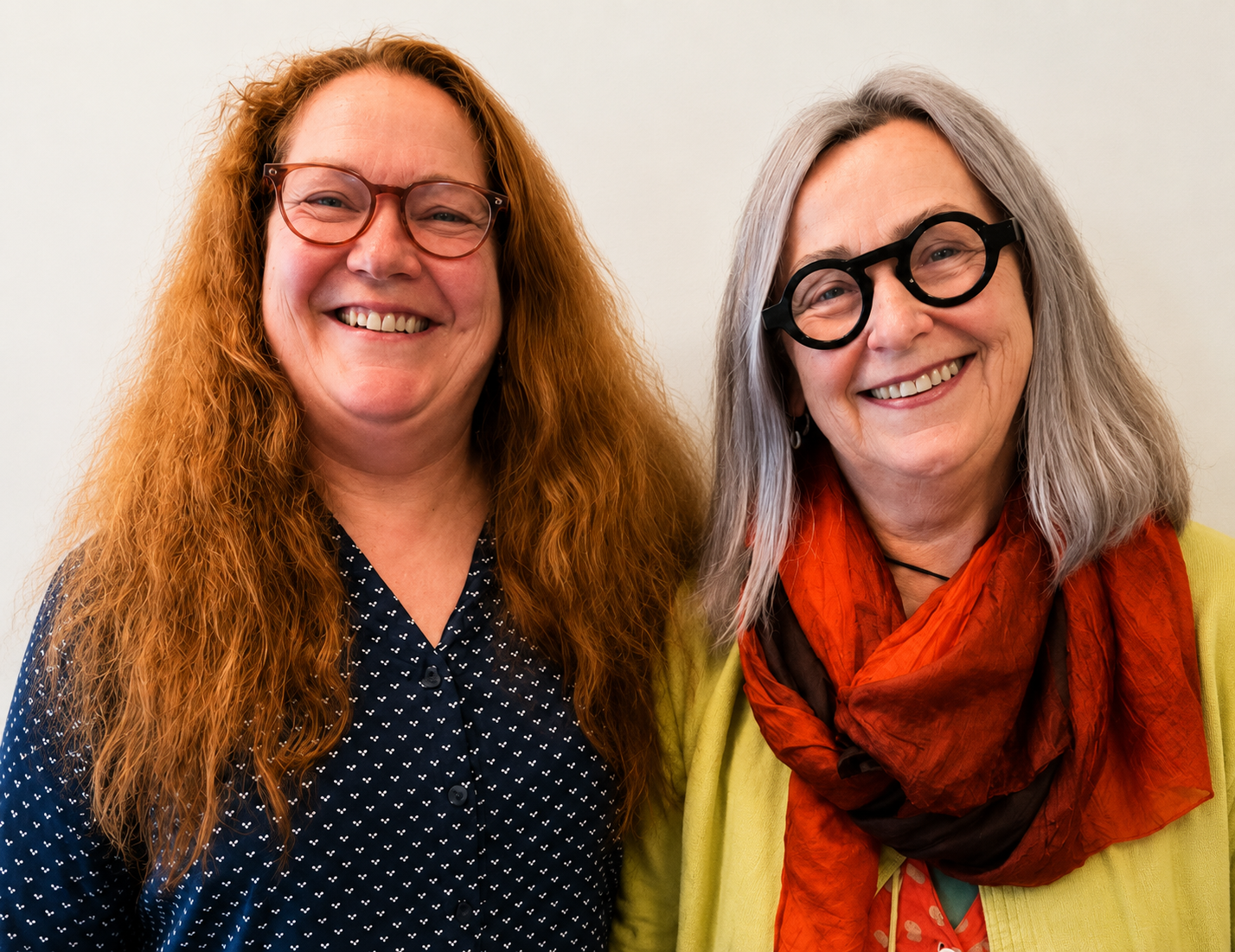
Ann-Rita Gjertzen
Family Therapist • Master of Dialogical Practice • Former Acute Team Clinician
Heidi Susann Emaus
Psychiatric Nurse • Family Therapist • Acute Team Leader
Open Day Presentation
Relation- and Network Conversations in Acute Crises:
The Shift of Focus from the Individual Alone to the Individual as Part of a Social System
Friday 28 August • 13:40-14:20
About Ann-Rita & Heidi
Ann-Rita Gjertzen and Heidi Susann Emaus have been at the forefront of developing dialogical and network-oriented practices within Specialist Mental Health Services in Tromsø, Norway. Drawing on decades of experience working with individuals, families and social networks during acute mental health crises, they have helped shift clinical practice from an individual-focused model towards one that recognises people within the context of their relationships and communities.
Read full biography
Ann-Rita Gjertzen is a family therapist and holds a Master’s degree in Dialogical Practice. She previously worked with the Acute Team at the University Hospital of North Norway in Tromsø, where she contributed to the development of dialogical and network-oriented approaches to acute mental health care.
Heidi Susann Emaus is a psychiatric nurse, family therapist and leader of the Acute Team at the University Hospital of North Norway in Tromsø. Her work focuses on developing collaborative, network-oriented approaches to supporting people and families experiencing acute mental health crises.
Together, Ann-Rita and Heidi have helped develop relation- and network-based conversations within Specialist Mental Health Services in Tromsø. Their work demonstrates how respectful dialogue with families and social networks can foster understanding, hope and new possibilities during times of acute crisis by shifting the focus from the individual alone to the individual as part of a living social system. This approach reflects broader efforts to develop Open Dialogue practices within public mental health services in Norway.